
Degrees Available
Pastor Are You Interested In Starting
A Bible College In Your Church
Pastors, it is not just our duty but our divine mandate to equip the Saints to grow spiritually and fulfill God’s calling in their lives. We are also called to be fishers of men, yet for too long, the church has operated under the misconception that the way to expand Christianity is by bringing the lost to church so the pastor can lead them to salvation. However, scripture shows us another way.
The Great Commission was never exclusively directed at pastors. Instead, it is a charge to all believers to share the Gospel and reach the lost. As it is written in Matthew 28:19-20 (KJV): "Go ye therefore, and teach all nations, baptizing them in the name of the Father, and of the Son, and of the Holy Ghost: Teaching them to observe all things whatsoever I have commanded you."
I believe many of you, as pastors, may feel God calling you to establish a seminary or Bible college within your church. If this resonates with the vision God has placed on your heart, I encourage you to explore how we can bring that vision to life. Together, we can ensure that the Church is fully equipped to carry out its mission, empowering believers to take the Gospel to the world.
It's Time That We as Christians
Get a Clear Understanding About What We Believe.
Expand your biblical knowledge, strengthen your faith, and prepare for ministry—all from the comfort of your home.
The Kingdom Life Academy
Your Basics
Biblical Foundations & Doctrine
This course provides an in-depth study of Christian doctrine, examining 24 key chapters from Erickson’s Christian Theology (Third Edition). The study follows a systematic approach, exploring theology, revelation, the attributes of God, sin, Christology, salvation, the Holy Spirit, and the church.
Students will learn core theological principles and how they apply to faith and practice. Erickson’s work serves as a long-term reference, and this course will provide a structured pathway for understanding, articulating, and applying theology in contemporary Christian life.
The Harmony of the Gospels
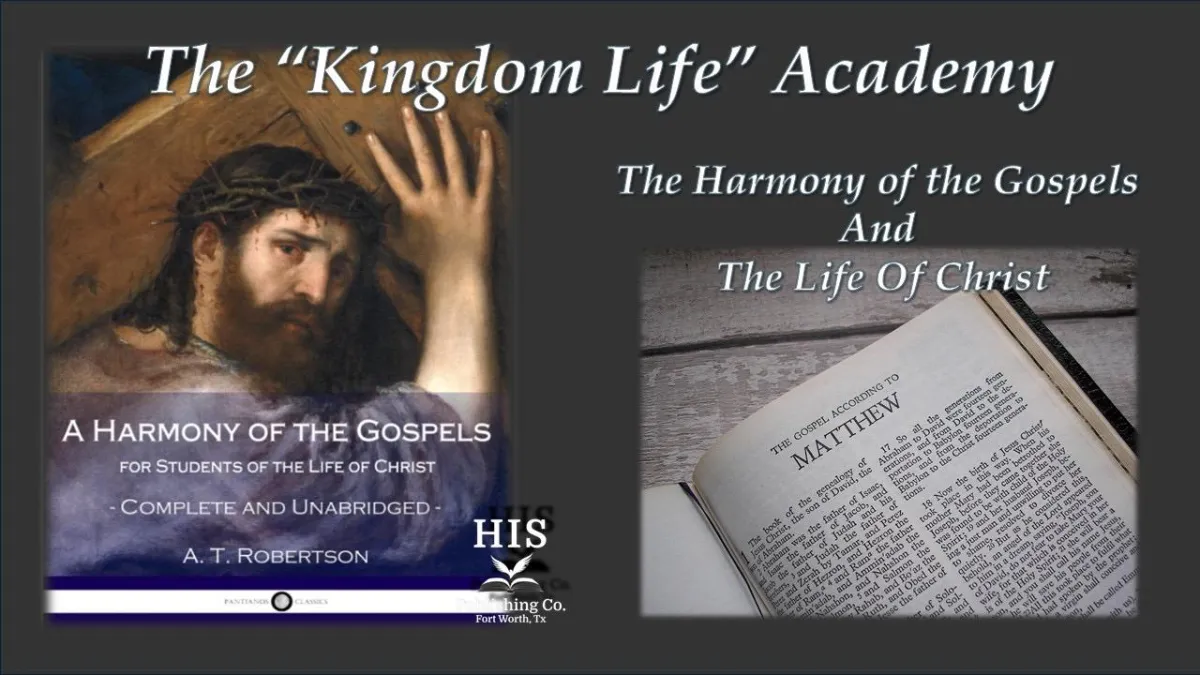
This course provides a chronological study of the life of Jesus Christ, harmonizing the four Gospels. Students will follow Jesus’ ministry from His birth to His resurrection, with a structured progression through Robertson’s Gospel harmony.

The Spirit-Filled Life
This course explores the foundational teachings of
The Spirit-Filled Life by John MacNeil, guiding students toward a deeper understanding of the Holy Spirit’s role in Christian living. Through six structured modules, students will learn about the necessity, process, and maintenance of a Spirit-filled life.
Biblical Foundations & Doctrine
This course equips learners to develop Christlike leadership skills based on the teachings of Jesus, as outlined in Boyd Bailey’s Learning to Lead Like Jesus. Through personal reflection, guided reading, and assessment, students will explore humility, love, accountability, and other essential leadership principles modeled by Jesus.

Living Out the Gospel: Christian Ethics & Morality
This course is a deep exploration of Charles Spurgeon’s teachings on
true discipleship as presented in Following Christ: Losing Your Life for His Sake. Over six modules, students will engage with the call, cost, commitment, and ultimate reward of following Jesus. This course emphasizes self-denial, perseverance, obedience, and joy as essential components of a faithful walk with Christ. Each module builds upon the last, guiding students toward a deeper understanding of what it truly means to follow Jesus all the way to glory.

Evangelism & Outreach
This course is designed to help participants embrace evangelism as a natural and relational way of life. Based on Out of the Saltshaker and Into the World by Rebecca Manley Pippert, this course moves beyond traditional evangelism methods and into a Spirit-led, authentic approach to sharing faith.

Faith in Action: Missions, Service & Social Impact
This self-paced online course takes learners through 30 inspiring real-life stories of how faith becomes real when expressed through love. Based on the book
Bridge of Love by Pamela Walck, this course highlights how everyday situations become extraordinary when seen through the lens of faith working through love (Galatians 5:6). Learners will progress through six themed modules and will be assessed through multiple-choice and true/false quizzes at the end of each module.
Spiritual Growth and Discipleship
This course provides students with a comprehensive understanding of biblical discipleship, based on Real Life Discipleship by Jim Putman. Students will explore the biblical foundation, relational process, spiritual stages, and the role of intentional leadership in developing a disciple-making culture within the local church. The course highlights the importance of relational discipleship, accountability, and spiritual reproduction, equipping students to become both disciples and disciple makers.
Did You Know
A Bible college or seminary degree equips you to lead with purpose and clarity.
Studies show that leaders who are grounded in faith-based education bring deeper meaning and integrity to their work, making a lasting impact in both ministry and secular careers. With a degree, you gain the theological knowledge and leadership skills needed to serve effectively in today’s complex world.
Graduates from Bible colleges and seminaries are in high demand.
Statistics reveal that over 70% of churches and faith-based organizations consistently seek individuals with formal theological training to fill key roles in their communities. The educational foundation provided by these institutions ensures you are uniquely qualified to meet this growing need.
An education in theology fosters personal and spiritual growth.
Many graduates report that their time in Bible college or seminary not only prepared them for career success but also enriched their faith, deepened their understanding of Scripture, and strengthened their relationship with God. This personal transformation is invaluable and extends beyond professional pursuits, improving every area of life.
Bachelors Degree
Your Future Awaits
Biblical Hermeneutics 101
This course, inspired by the book Hermeneutics: Principles and Processes of Biblical Interpretation, provides students with a comprehensive framework for understanding and interpreting biblical texts. It explores the key principles of hermeneutics, including historical, cultural, and literary contexts, while emphasizing the importance of grammatical and theological analysis. Through practical exercises and guided discussions, participants will develop the skills necessary to explore the meaning of scripture with depth and accuracy. Ideal for students of theology, ministry professionals, or anyone seeking a deeper connection with biblical studies, this course equips learners to approach scripture with clarity and confidence.
Old Testament Survey 101
This course provides an engaging and comprehensive exploration of the Old Testament, based on the foundational work of Dr. Norman L. Geisler. Students will gain an overarching understanding of the historical, cultural, and theological dimensions of the Old Testament, as presented in A Popular Survey of the Old Testament. Designed to offer clarity and organization, the course highlights key events, themes, and figures in the narrative of Scripture, fostering an appreciation for the Old Testament's pivotal role in God’s redemptive plan. Ideal for students of all levels, this course equips learners to confidently interpret and apply the timeless truths of the Old Testament in their personal faith journeys and theological studies.
New Testament Survey 101
This course offers an in-depth look at the New Testament, based on Norman L. Geisler’s work, A Popular Survey of the New Testament. It explores the historical context, key themes, significant figures, and major events that shaped early Christianity. Through a structured overview of each book, students will better understand the life and teachings of Jesus, the growth of the early church, and the theological foundations of the Christian faith. Ideal for those looking to deepen their biblical knowledge, this course shows how the New Testament’s message continues to inspire and transform lives. Students will learn to interpret and apply its truths in their spiritual walk and ministry.
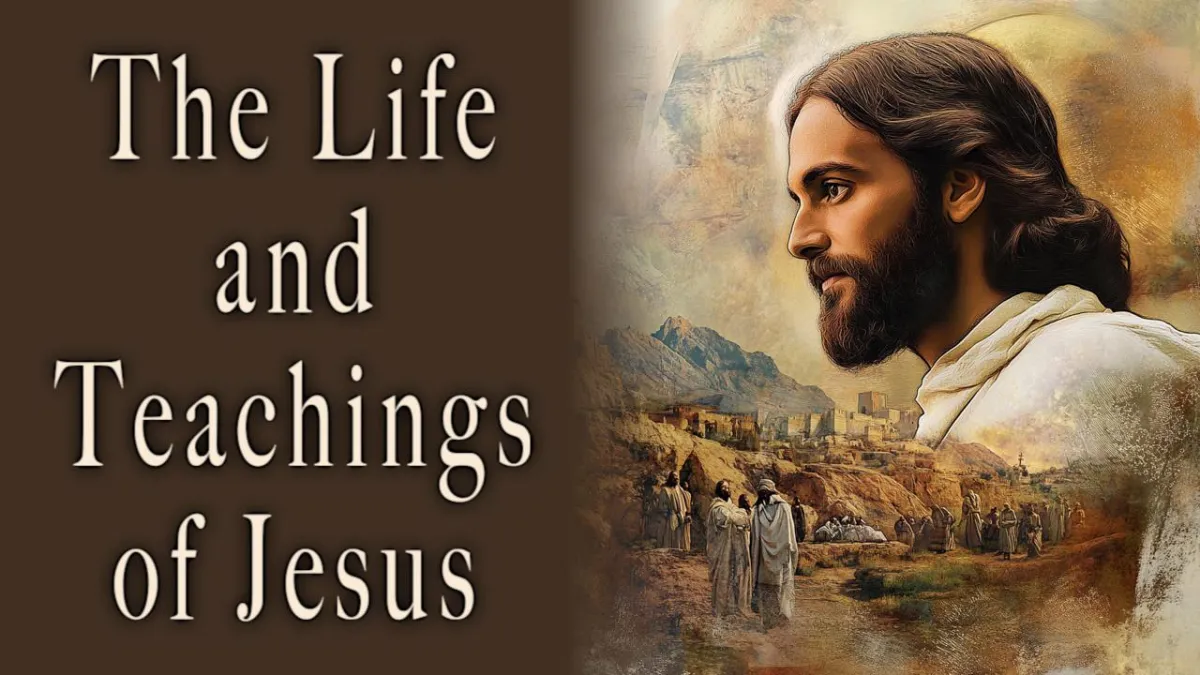
The Life and Teachings of Jesus
Dive deep into the profound life and teachings of Jesus Christ in this engaging course. Drawing from scripture and guided by Douglas Leas' insights, students will explore the historical, cultural, and spiritual context of Jesus' ministry. This course examines key events, parables, and sermons, highlighting their relevance in today’s world. Through thoughtful study and discussion, learners will gain a richer understanding of Jesus' mission, message, and impact on humanity, equipping them to apply these timeless truths in their personal faith and ministry endeavors. Perfect for those seeking to deepen their theological knowledge and spiritual connection.
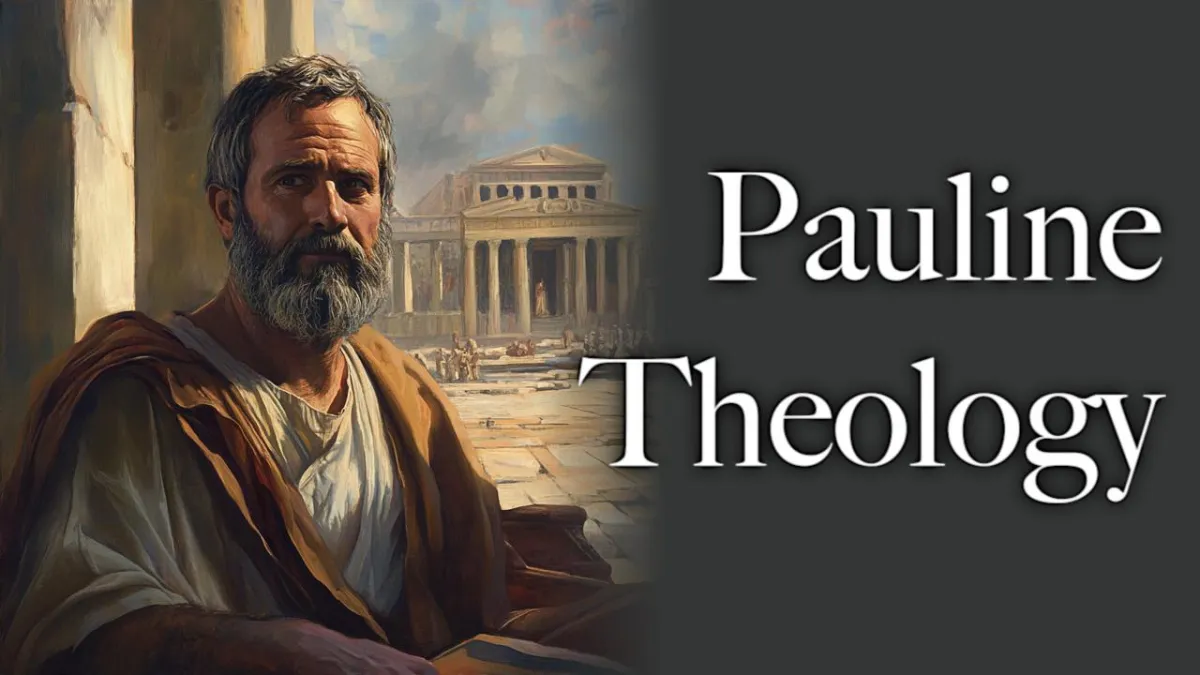
Pauline Theology
This course, based on Scot McKnight's Perspectives on Paul: Five Views, invites learners to engage deeply with the Apostle Paul's theology, teachings, and enduring influence on Christianity. By exploring five distinct perspectives from leading scholars, students will grapple with varied interpretations of Paul's letters—highlighting key theological themes such as grace, law, salvation, and the role of the church. Through critical analysis and thoughtful discussion, participants will develop a nuanced understanding of Pauline thought and its implications for modern Christian life and ministry. This course is ideal for those seeking to explore the complexities of Pauline theology while refining their ability to interpret scripture with clarity and depth.

Christian Ethics
This course, based on Wayne Grudem’s Christian Ethics: Living a Life That Is Pleasing to God, explores ethical principles rooted in Scripture. Students will learn how biblical teachings guide moral decisions in areas like personal behavior, relationships, and societal challenges. Topics include honesty, marriage, justice, and stewardship, helping participants navigate ethical dilemmas in today’s world. By the end, students will have a strong foundation for applying Christian ethics to honor God and reflect Christ-like character. This course is perfect for anyone seeking to align their life with biblical principles and grow spiritually.
Spiritual Formation
This online course examines spiritual growth through the lens of Christian Theology, 3rd Edition by Millard J. Erickson. Students will explore key doctrines like the nature of God, salvation, and sanctification, and learn how these truths deepen their relationship with God. The course focuses on practical application, blending theology with spiritual disciplines like prayer, scripture meditation, worship, and service. Interactive discussions, reflective assignments, and guided practices help students cultivate a Christ-centered life and grow in faith. Designed for online Bible college students, this course provides a strong theological foundation for ministry and daily life.
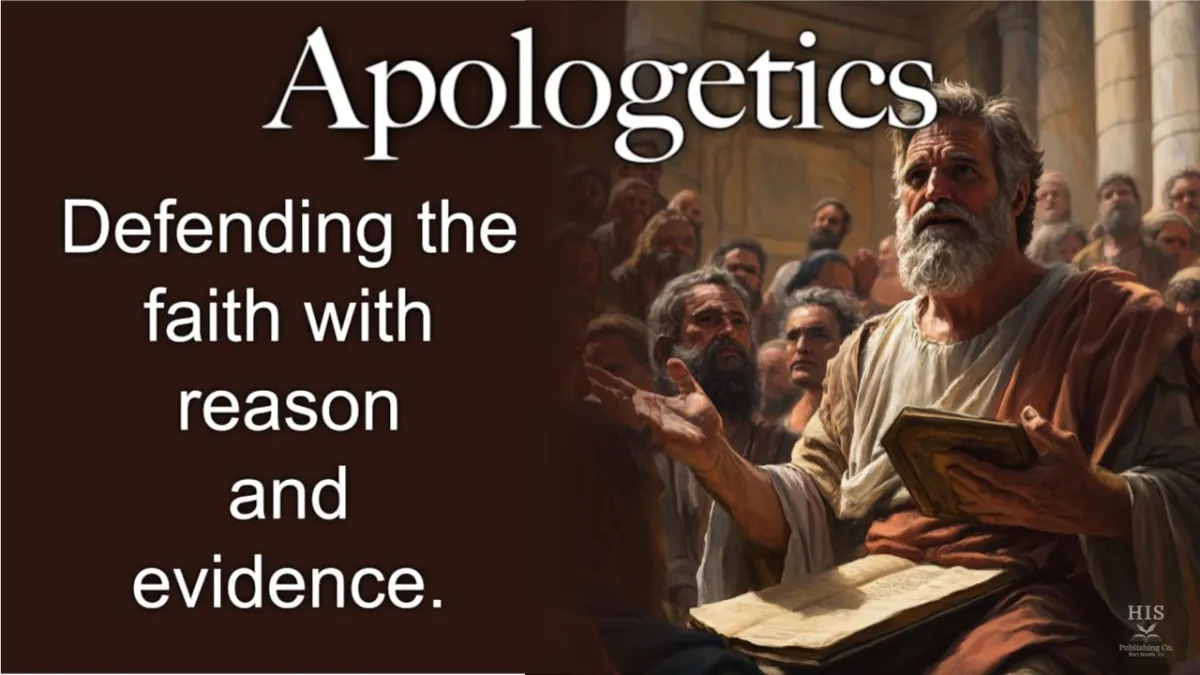
Apologetics
This course provides an in-depth exploration of the field of Christian apologetics, equipping students to defend their faith with clarity and confidence. Using Christian Apologetics, 2nd Edition by Norman L. Geisler as the foundational text, students will examine key topics such as the existence of God, the reliability of scripture, the problem of evil, and the uniqueness of Jesus Christ. Through engaging readings, thought-provoking discussions, and practical assignments, this course equips students with a strong understanding of the rational and historical foundation of the Christian worldview. Designed for flexibility, it empowers learners to confidently articulate and defend their faith while preparing for effective ministry in today’s world—all at their own pace.
Systematic Theology I:
Systematic Theology I is a self-paced online course offering a foundational study of Christian theology based on Millard J. Erickson’s Christian Theology, 3rd Edition. The course covers key doctrines, including the nature of God, the authority of scripture, creation, and the person and work of Jesus Christ. Through readings, lectures, and practical applications, students will gain a clear understanding of these concepts. By the end, students will be able to confidently articulate their theological beliefs, making this course a valuable resource for ministry and personal spiritual growth.
Systematic Theology II:
Systematic Theology II is a self-paced online course that builds upon the foundational principles established in Systematic Theology I. This course dives deeper into advanced theological topics, including eschatology, ecclesiology, and soteriology, providing a comprehensive understanding of these critical areas. Through a combination of guided readings, video lectures, and thought-provoking assignments, students will further develop their ability to analyze and articulate complex theological concepts. The course is designed to encourage independent study and reflection, allowing students to engage with the material at their own pace while fostering personal spiritual growth and theological acumen.
Church History
This course, based on Church History in Plain Language, Fifth Edition by Bruce L. Shelley, explores the history of Christianity. Designed as a self-paced online program, it covers key events, figures, and movements that have shaped the church from its origins to today. Through readings, assignments, and reflective study, students will better understand how Christians have navigated theology, culture, and challenges. The course encourages spiritual growth and personal reflection, helping learners apply historical lessons to their own faith journeys.
World Religions and Comparative Theology
This bachelor-level course introduces students to the major religious traditions of the world through Huston Smith’s The World’s Religions. The course explores the core beliefs, practices, historical development, and cultural impact of Hinduism, Buddhism, Confucianism, Taoism, Islam, Judaism, Christianity, and the primal religions.
Students will examine each tradition’s understanding of ultimate reality, human purpose, suffering, ethics, and spiritual fulfillment while engaging in thoughtful comparative analysis. The course equips students to understand and respectfully engage religious diversity in today’s global context.
Pastoral Ministry and Leadership
This course, Pastoral Ministry and Leadership, is designed to equip students with the foundational principles and practical skills necessary for effective biblical leadership within the context of ministry. Using the textbook Power to Lead (2nd Edition): Five Essentials for the Practice of Biblical Leadership by Mike Ayers, students will explore five core essentials for cultivating and sustaining leadership rooted in biblical principles.The course is part of a self-paced program, offering flexibility for students to independently engage with readings, complete structured assignments, and reflect on the material at their own pace.
Homiletics and Preaching
This course offers a solid foundation in the principles and practices of preaching, ideal for those starting their journey in homiletics. Focused on preparing and delivering biblically sound, impactful sermons, students will learn to interpret Scripture accurately, craft clear outlines, and use effective communication techniques to engage diverse audiences. Through self-paced learning, participants will work with curated readings, video lectures, and assignments designed to equip them to deliver messages with theological depth and practical application. This course prepares students for advanced studies in preaching as they progress toward their doctorate. By the end, students will gain confidence and skill in proclaiming God's Word, fostering spiritual growth in their communities.
Evangelism and Missions
This course, Evangelism and Missions, explores effective evangelism and the global mission of the Church. Students will study Craig Springer's book, How to Revive Evangelism: 7 Vital Shifts in How We Share Our Faith, to learn modern strategies for sharing the Gospel in meaningful ways. Through self-paced readings, videos, and practical assignments, participants will develop a heart for outreach and missions. The course equips students to confidently share their faith across cultures and inspire others to a deeper relationship with Christ. By the end, learners will be ready to spread the Good News and extend Christ’s love through impactful, mission-focused work.

Christian Counseling
This Bachelor-level course introduces Jay E. Adams’ biblical counseling model known as nouthetic counseling. Students explore the relationship between Christianity and modern psychology, the role of the Holy Spirit in change, and a Scripture-centered, directive approach to pastoral care. Emphasis is placed on confession, personal responsibility, structured problem-solving, and practical counseling techniques for church and Christian school settings. The course equips ministry leaders to counsel confidently from a biblical framework.
Church Administration and Governance
This course covers the essential principles and practices of effective church administration and governance. Using the textbook Church Administration, 2nd Edition: Creating Efficiency for Effective Ministry by Robert H. Welch, students will explore topics like organizational structure, leadership development, financial stewardship, and strategic planning in a ministry context. Through practical assignments, video lectures, and readings, learners will gain tools to manage church operations effectively while fostering Christ-centered leadership. By the end of the course, students will be ready to lead with wisdom, integrity, and a clear vision to advance God’s mission through the local church.

Youth and Family Ministry
This course explores ministry for youth and families within the local church. Using Purpose Driven Youth Ministry by Doug Fields as the core text, students will learn practical strategies to create impactful youth programs that foster spiritual growth, build relationships, and encourage lifelong faith. Key topics include addressing the needs of youth and families, building strong volunteer teams, planning meaningful events, and promoting discipleship within a Christ-centered framework. Through targeted assignments, videos, and readings, students will gain the tools to design and lead youth ministries with purpose. This self-paced course equips learners to nurture lasting spiritual growth and advance God’s mission in their communities.
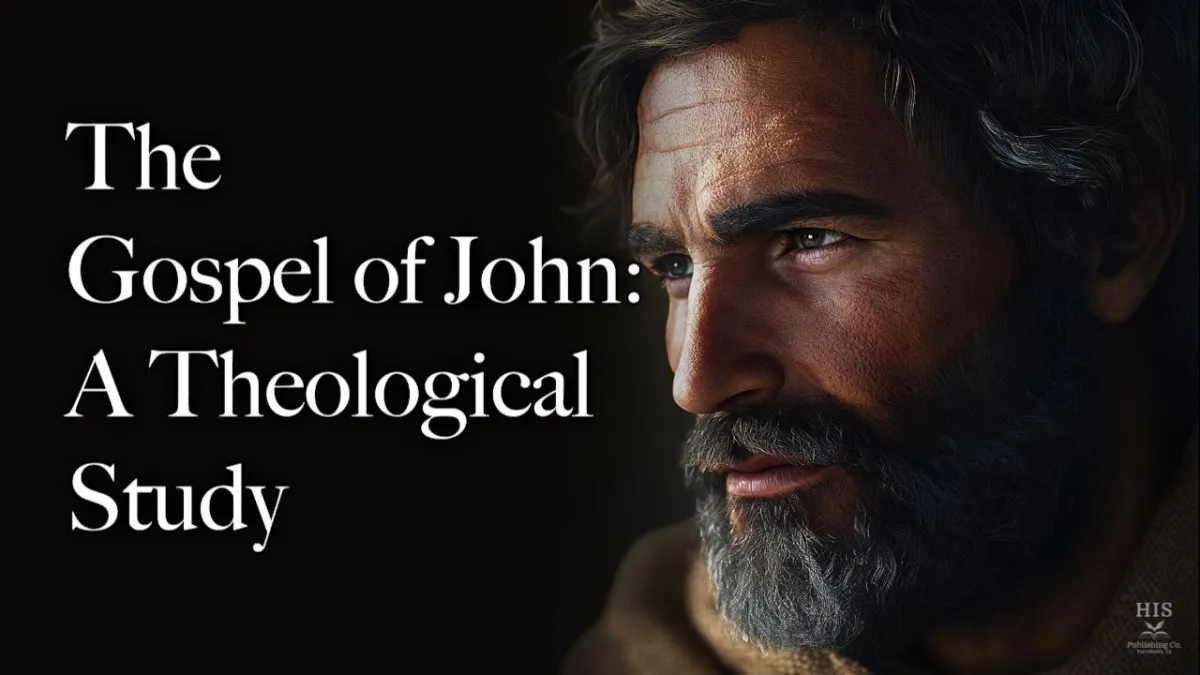
The Gospel of John:
Explore the profound messages and theological depth of John’s Gospel in this comprehensive course. Guided by F.F. Bruce’s The Gospel of John: A Verse-by-Verse Exposition, the course covers key themes like the deity of Christ, the significance of miracles, and the meaning of eternal life. Students will delve into John’s unique narrative structure while reflecting on its relevance to contemporary faith and ministry. With engaging video lectures and curated readings, learners can study at their own pace, gaining a deeper understanding of one of the New Testament’s most significant books. This course is a meaningful opportunity to study the life and teachings of Jesus through the lens of the beloved disciple.
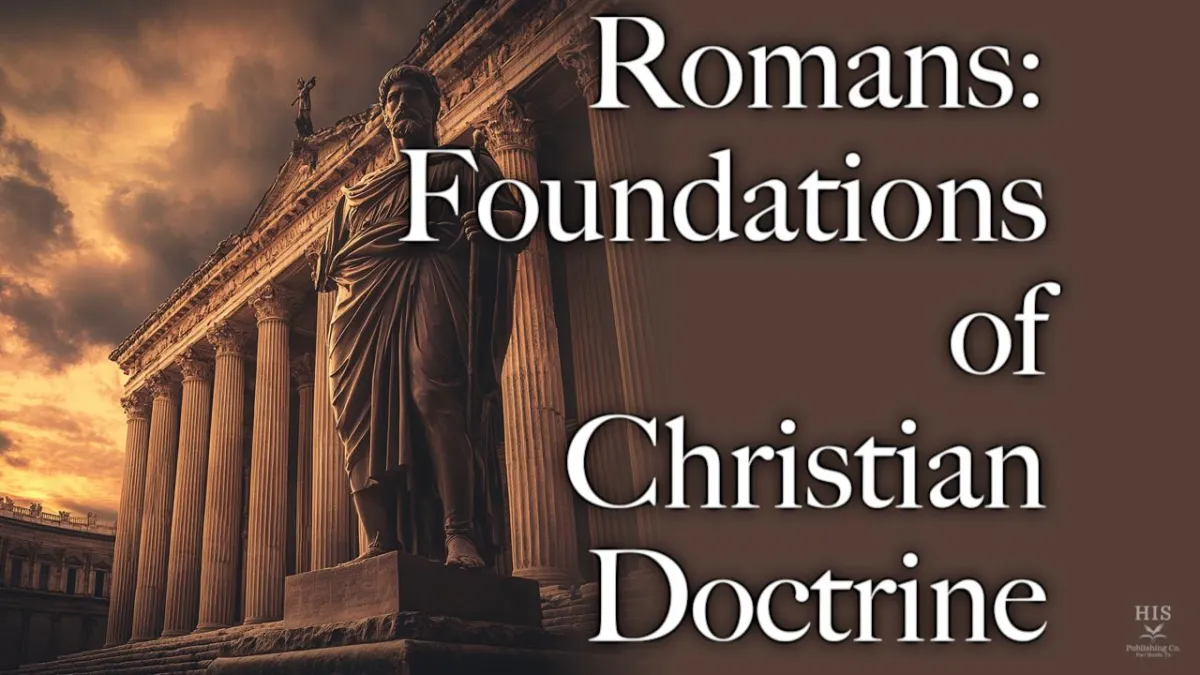
Romans: Foundations of Christian Doctrine
This course, Romans: Foundations of Christian Doctrine, offers an in-depth study of one of the Bible’s most influential books. Using David Jeremiah’s Romans: The Gospel of Grace as a guide, students will explore key themes like justification by faith, sanctification, and the power of God’s grace. Designed for flexible, self-paced learning, the course helps students deepen their understanding of Christian doctrines and their application to faith and ministry. Through focused readings and assignments, learners will build a solid biblical foundation for spiritual growth and theological insight.
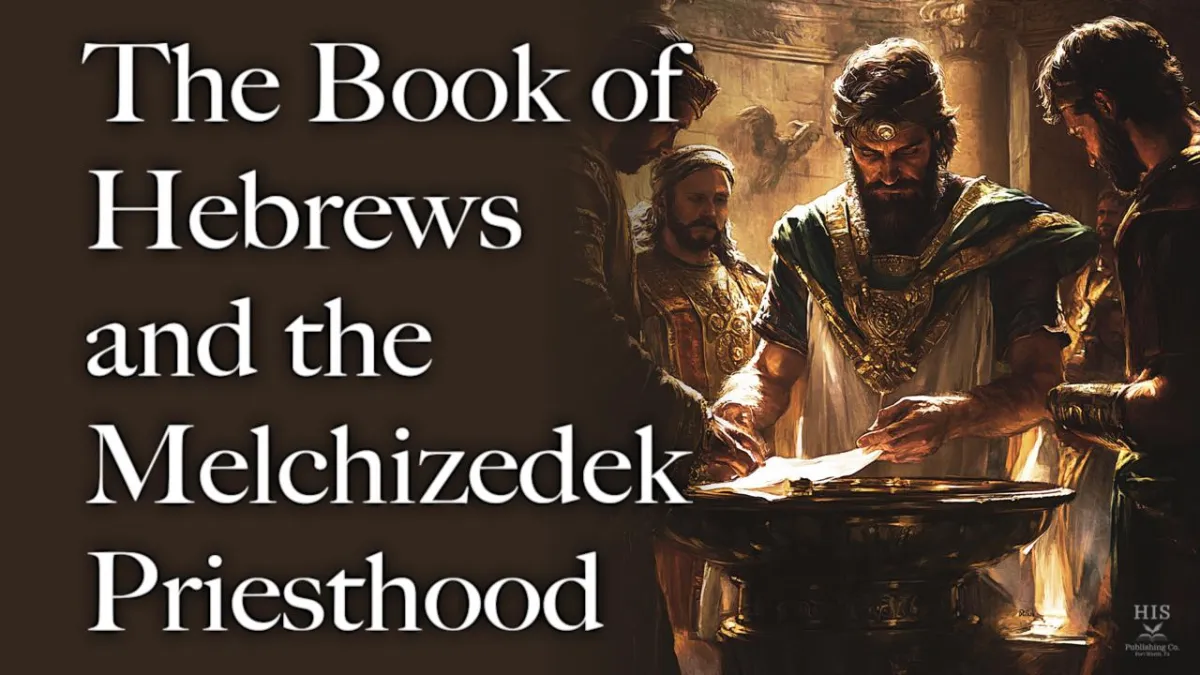
The Book of Hebrews and the Melchizedek Priesthood
Discover the rich theology and profound truths of Hebrews in this self-paced course. Focusing on the supremacy of Christ and the Melchizedek Priesthood, students will explore themes of faith, covenant, and intercession throughout Scripture. Using the textbook Hebrews: The Unshakable Faith by James Kiely, learners will engage with readings and video lectures to better understand the text and its practical application. This course will deepen your understanding of Hebrews while helping you grow closer to Christ and build a strong biblical foundation for faith and ministry.
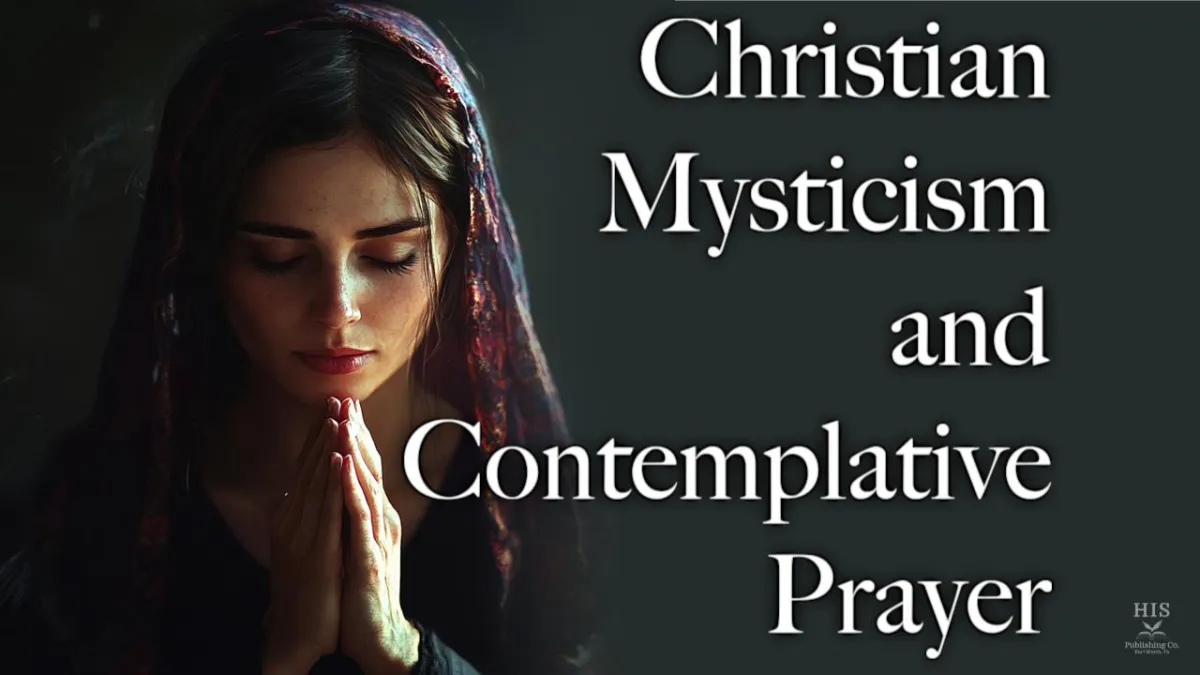
Christian Mysticism and Contemplative Prayer
This course, explores the rich tradition of Christian contemplative practices with a focus on Thomas Merton’s classic work Contemplative Prayer. You’ll delve into the origins and theology of Christian mysticism through readings, reflective exercises, and multimedia content. By studying Thomas Merton’s teachings, you’ll gain tools to strengthen your faith, deepen your connection with God, and enrich your spiritual life for ministry and daily living.
The Kingdom of God: Biblical and Contemporary Perspective
This Bachelor-level course examines the biblical theme of the Kingdom of God using The Message of the Kingdom of God by T. Desmond Alexander. Students will trace the kingdom story from creation and humanity’s fall to the redemptive work of Jesus Christ as the promised King.
Emphasis is placed on Christ’s inauguration of the kingdom, the defeat of darkness, and the future hope of its fulfillment. The course helps students understand the Bible’s unified message and apply kingdom theology to Christian identity, mission, and daily living.
Faith and Culture: Engaging the Modern World
Explore the intersection of faith and culture in today’s world with this thought-provoking course. Using Kenneth Nehrbass’s book, God’s Image and Global Cultures: Integrating Faith and Culture in the Twenty-First Century, you'll reflect on how faith shapes your engagement with different cultures and global issues. Through video lectures and self-paced modules, you'll dive into themes like cultural identity, the image of God in humanity, and faith’s role in building a just, compassionate society. This course strengthens your understanding of biblical principles and equips you to be a Christ-centered influence in the modern world. Ideal for personal growth or ministry preparation, Faith and Culture offers a flexible platform for meaningful study.
Becoming Everything That God Has Called Us To Be
Comes With A Responsibility to Develop Ourselves
For The Calling.
Masters Degree
Advanced Biblical Hermeneutics
Dive deeper into the art and science of interpreting Scripture with Advanced Biblical Hermeneutics. Designed for students seeking to strengthen their exegetical skills, this course provides an in-depth exploration of advanced interpretative principles that illuminate the Bible’s historical, literary, and theological dimensions. Using Grant Lovejoy’s Biblical Hermeneutics: A Comprehensive Introduction to Interpreting Scripture, students will engage in self-paced study, developing techniques to accurately analyze and apply biblical texts. This course is ideal for those preparing for ministry, leadership, or personal enrichment, offering a structured yet flexible path for mastering hermeneutical practices.
Old Testament Theology
This course explores the theological themes of the Old Testament, examining how these ancient texts speak to faith and life today. Using the textbook Old Testament Theology: Reading the Hebrew Bible as Christian Scripture by R. L. W. Moberly, students will study the significance of the Hebrew Scriptures within the Christian tradition. Designed for self-paced learning, the course covers topics like covenant, creation, prophecy, and the character of God. Ideal for ministry preparation, personal growth, or theological study, it helps learners engage thoughtfully with the Old Testament and its lasting relevance.
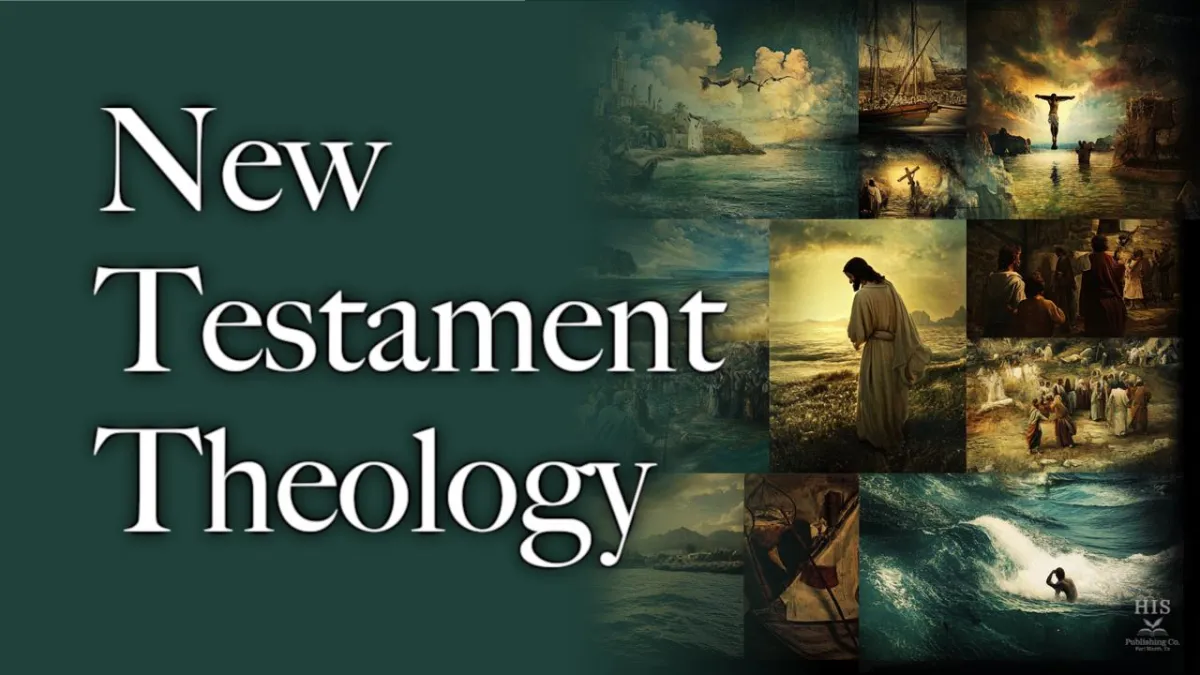
New Testament Theology
Explore the profound richness of New Testament theology with this self-paced online course. Utilizing G. K. Beale’s A New Testament Biblical Theology: The Unfolding of the Old Testament in the New as our foundational textbook, this course examines how the themes and promises of the Old Testament are fulfilled in the New Testament. Students will study key theological concepts, while gaining insights into how the Old Testament lays the groundwork for the New Testament narrative. Ideal for ministry preparation, personal spiritual growth, or advanced theological study, this course offers a comprehensive understanding of the New Testament’s theological foundations and its relevance for modern faith and practice.
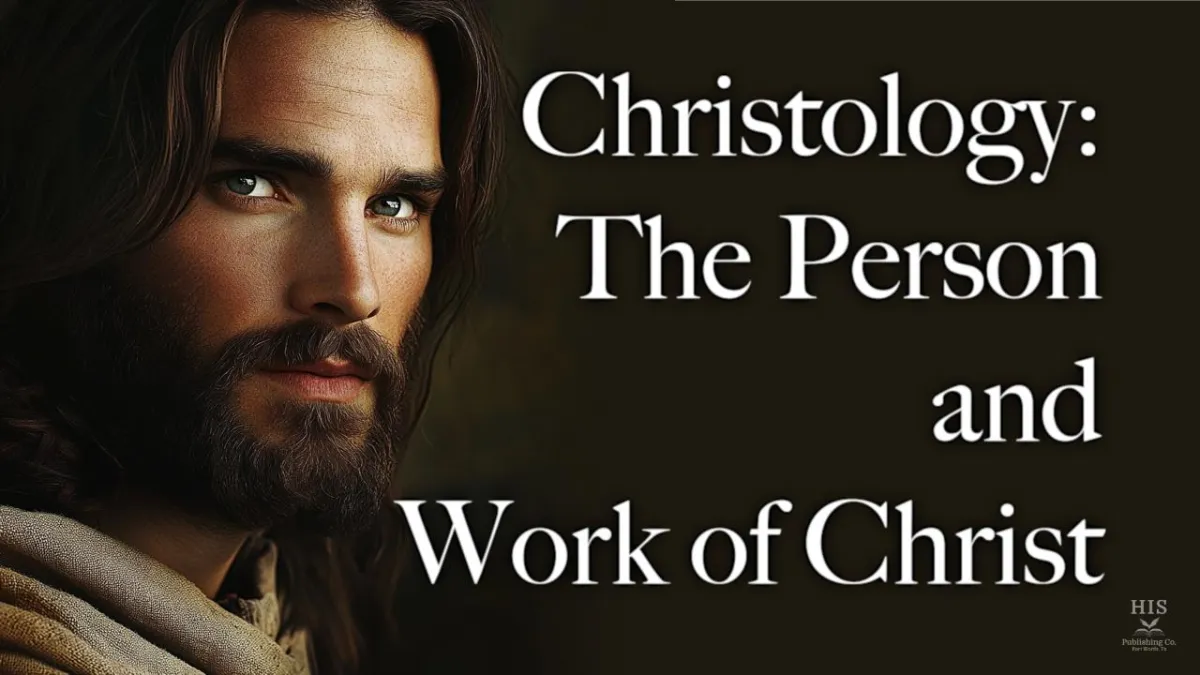
Christology: The Person and Work of Christ
This course delves into Christology, focusing on the person and work of Jesus Christ as revealed in Scripture. Using Millard J. Erickson's "Christian Theology, Third Edition" as the primary textbook, students will study key doctrines on Christ’s deity, humanity, and mission. Topics include the incarnation, atonement, resurrection, and Christ’s intercessory role. Designed for online, self-paced learning, this course offers a flexible way to deepen theological knowledge for ministry, personal growth, or academic goals.
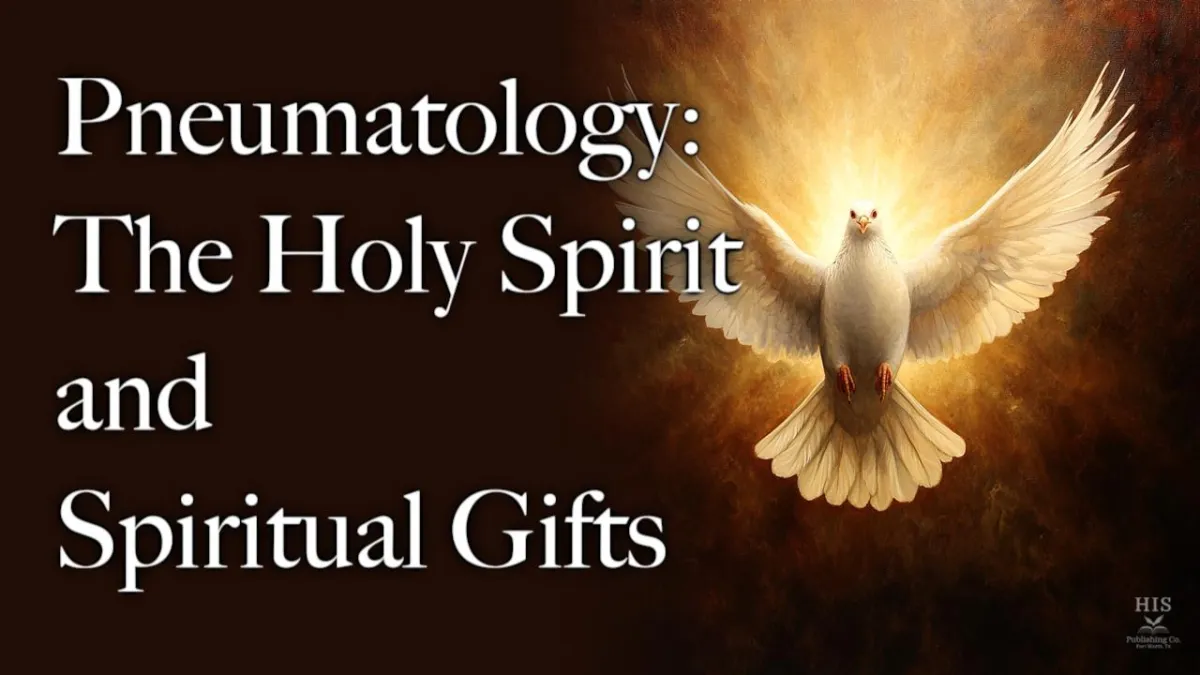
Pneumatology: The Holy Spirit and Spiritual Gifts
This course provides an in-depth study of the Holy Spirit (Pneumatology) and spiritual gifts. Based on Sam Storms' book Understanding Spiritual Gifts: A Comprehensive Guide, students will examine the Holy Spirit's role, the biblical basis for spiritual gifts, and their practical use in the life of believers and the church. The flexible format allows learners to progress at their own pace while engaging with Scripture, theology, and practical exercises. Perfect for personal growth, ministry preparation, or academic study, this course equips students with a solid theological foundation and practical tools to understand and use their spiritual gifts.
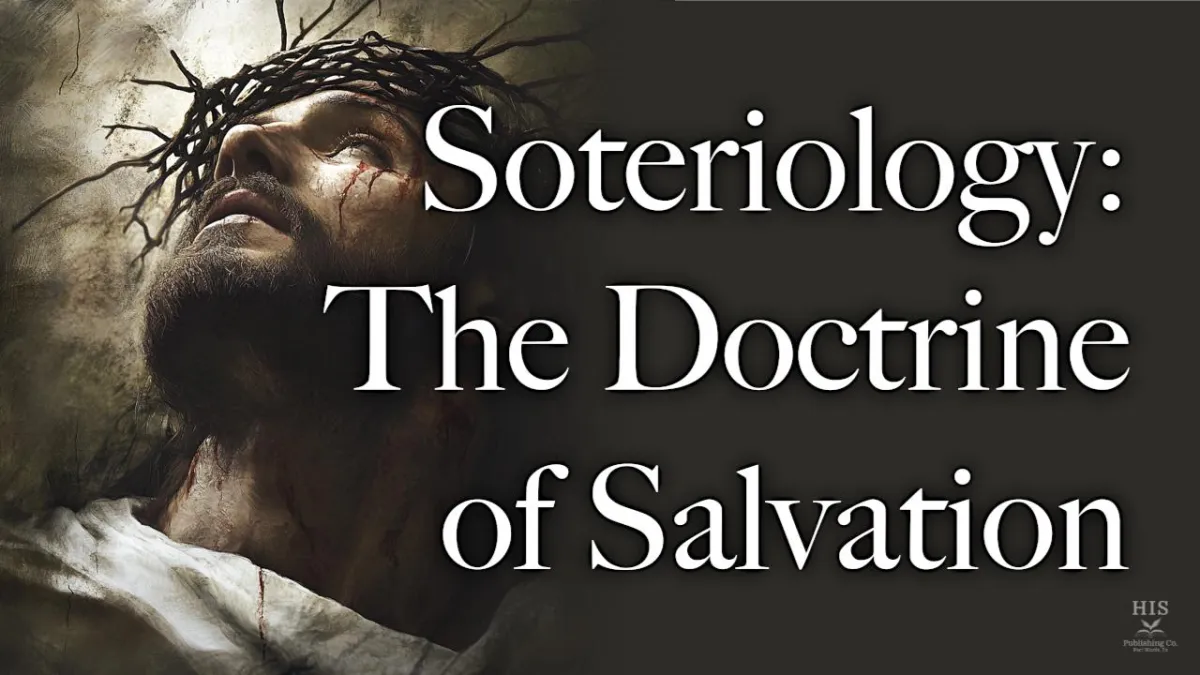
Soteriology: The Doctrine of Salvation
This course offers a deep dive into Soteriology, the study of salvation. Using Gregory Brown's book Soteriology: Understanding Our Great Salvation, students will explore the theological foundations, historical context, and practical impact of salvation as revealed in Scripture. Key themes include justification, sanctification, and glorification. With flexible pacing, students will engage with biblical content, reflective exercises, and practical applications to better understand salvation's personal and global importance. Ideal for personal spiritual growth, ministry preparation, or academic study, this course helps learners grasp the depth of God’s saving work.
Ecclesiology: The Nature and Mission of the Church
This course, Ecclesiology: The Nature and Mission of the Church, explores the theological foundations, historical development, and modern application of the doctrine of the church. Using Brad Harper's book Exploring Ecclesiology: An Evangelical and Ecumenical Introduction, students will study topics like the church's identity, purpose, and role in God’s mission. Offered in a self-paced online format, the course blends theological content with practical insights, allowing students to learn at their own speed. Reflective exercises and discussions help learners understand the church as a community of faith and its mission to embody God’s kingdom. Ideal for those in ministry, seeking academic enrichment, or personal growth, this course prepares individuals to thoughtfully engage with the church’s role in today’s world.
Eschatology: The Study of Last Things
This course covers the biblical doctrine of eschatology, focusing on "last things" like the Second Coming of Christ, the Tribulation, the Millennium, resurrection, judgment, and the eternal state. Students will study Old and New Testament texts to understand God’s ultimate plan for humanity and the world. Using the textbook Things to Come by J. Dwight Pentecost, the course offers a framework for interpreting prophecy and exploring different eschatological views. Perfect for those seeking clarity on complex biblical themes, it equips students for deeper theological reflection, teaching, or ministry.
Advanced Pastoral Ministry and Leadership
This course prepares students for leadership in pastoral ministry by focusing on advanced strategies to guide and empower others. Using the textbook The Coach Model for Christian Leaders by Keith E. Webb, students will develop a coaching mindset to inspire growth within their ministry. Topics include problem-solving, goal-setting, and practical methods for fostering leadership. Offered in a self-paced online format, this course helps students enhance their ministry impact and build meaningful relationships through servant leadership.
Advanced Homiletics and Preaching
This course focuses on advanced homiletics and delivering effective expository sermons. Using Biblical Preaching by Haddon W. Robinson as the main textbook, students will sharpen their sermon preparation and preaching skills. Topics include textual analysis, creating clear outlines, and delivering impactful messages that communicate biblical truths. Offered in a self-paced online format, this course helps students enhance their preaching through study and practical application.
Biblical Counseling and Soul Care
This course gives students a comprehensive understanding of biblical counseling principles, equipping them to address the spiritual and emotional needs of others. Using Cure the Heart: A Model for Biblical Counseling by William Hines as the main textbook, students will learn to identify heart issues, apply Scripture in counseling, and foster spiritual growth and healing. Through case studies and in-depth study, students will gain practical tools to effectively minister in various counseling situations. This course is perfect for those looking to serve others through compassionate, biblically grounded care.
Cross-Cultural Missions and Global Ministry
This course equips students with the knowledge and skills for effective ministry in diverse cultural contexts. Grounded in biblical principles, students will learn to respect cultural differences, build cross-cultural relationships, and share the Gospel in impactful ways. Using The Greatest Fight: Spurgeon's Urgent Message for Pastors, Teachers, and Evangelists as the core textbook, the course examines the challenges and strategies of global ministry through Charles H. Spurgeon's insights. Through discussions and practical applications, students will gain a heart for missions and the tools to make a global impact.
The Kingdom of God in Contemporary Society
Discover the relevance of the Kingdom of God in today’s world through this engaging course. The Kingdom of God in Contemporary Society explores its theological foundations and real-world impact, offering insights into how it intersects with culture, politics, and community life. Using Robert McKenzie's Identifying the Seed as the primary textbook, the course examines key theological perspectives. Students will discuss, analyze scripture, and explore ways to live out Kingdom principles in a changing world. Grow in faith and apply Kingdom values in modern contexts.
Spiritual Formation and Discipleship
This course covers the key principles of spiritual growth and the process of becoming a devoted follower of Christ. Using Richardson George's Great Commission Christians: A Practical Guide to Effective Evangelism and Discipleship as the main textbook, students will learn practical tools for personal spiritual growth and effective discipleship. Through study, reflection, and discussions, the course emphasizes living out the Great Commission in daily life. Join us as we grow in Christlikeness and prepare to guide others on their faith journeys.
Leadership in the Digital Church Age
This course examines the opportunities and challenges of leading in a digital world, helping students effectively engage their congregations. Using That Christian Church in the Digital Age: Over 501 Digital Ministry Ideas for Pastors and Christian Leaders as the primary textbook, it offers practical strategies for using technology to advance ministry goals. Students will learn to create impactful online initiatives, build meaningful virtual connections, and use digital platforms to share Christ’s message. Through case studies and projects, participants will develop the skills needed to lead in the digital church age.
Research and Thesis Development
The Master’s Thesis course at Kingdom Life Academy is the capstone of your graduate journey, guiding you to research, develop, and present a scholarly thesis grounded in biblical truth and practical ministry. Students demonstrate critical thinking, theological mastery, and real-world application, preparing them to lead, teach, and contribute meaningfully in ministry contexts.
Doctorate Program
Advanced Biblical Exegesis and Hermeneutics
This course explores biblical interpretation and exegesis, focusing on the relationship between the Old and New Testaments. Using K.G. Beale's Commentary on the New Testament Use of the Old Testament as the primary text, students will study how New Testament authors referenced Old Testament scriptures. The course covers key hermeneutical principles, historical context, and theological insights, equipping students with tools for sound biblical analysis. Through lectures, readings, and hands-on exercises, participants will enhance their skills in interpreting scripture for teaching, preaching, and personal study. It’s ideal for anyone looking to deepen their understanding of the Bible’s unified narrative.
Old Testament Theology and Interpretation
This course, Old Testament Theology and Interpretation, examines the theological themes, historical context, and interpretative frameworks of the Old Testament. Using Walther Eichrodt's Theology of the Old Testament, Volume Two as the main textbook, students will explore the Old Testament’s theological contributions and their role in the broader biblical narrative. Through video lectures, readings, and assignments, participants will analyze key texts and uncover connections to God’s covenant with humanity. This course equips students for in-depth biblical study, fostering spiritual growth and advanced interpretative skills.
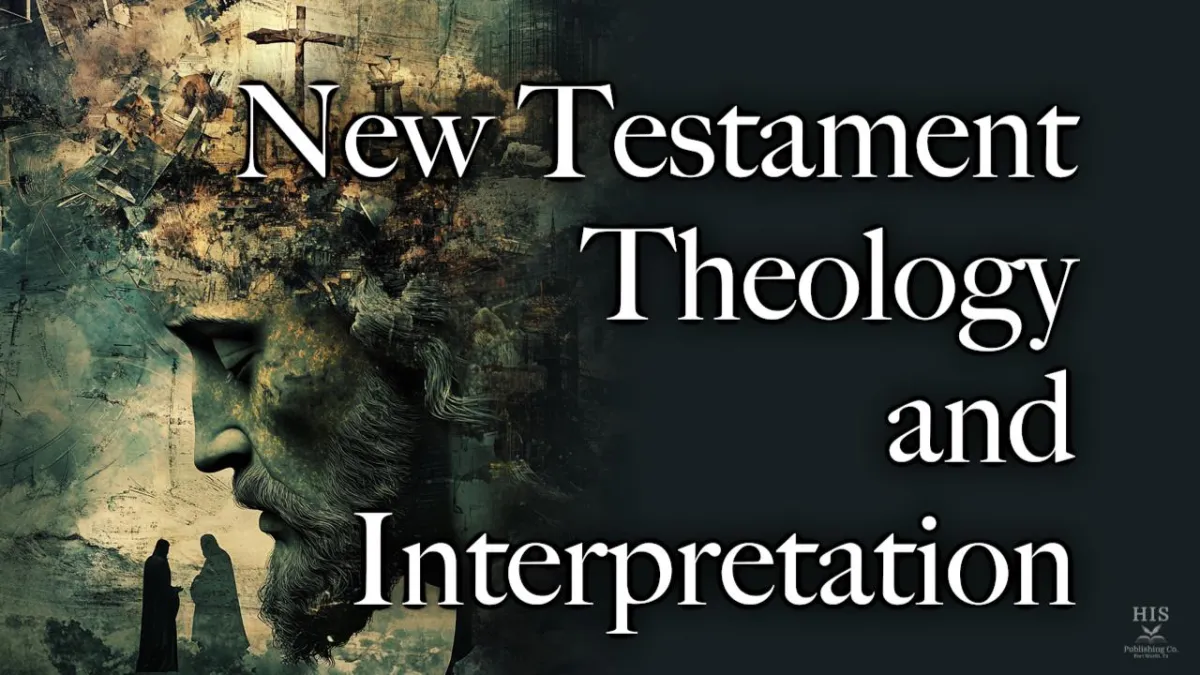
New Testament Theology and Interpretation
This course covers the key theological themes and interpretative principles of the New Testament, providing a clear understanding of its message and application. Using Biblical Theology, Volume Three: Special Grace Covenants by Jeffrey Niehaus as the main textbook, students will explore the New Testament’s presentation of God’s covenant through Jesus Christ and its fulfillment of Old Testament promises. The self-paced course features video lectures, quizzes, and a final exam to test knowledge. Perfect for those looking to deepen their biblical understanding, it offers practical tools for studying the New Testament and fostering spiritual growth, whether for personal study or ministry work.
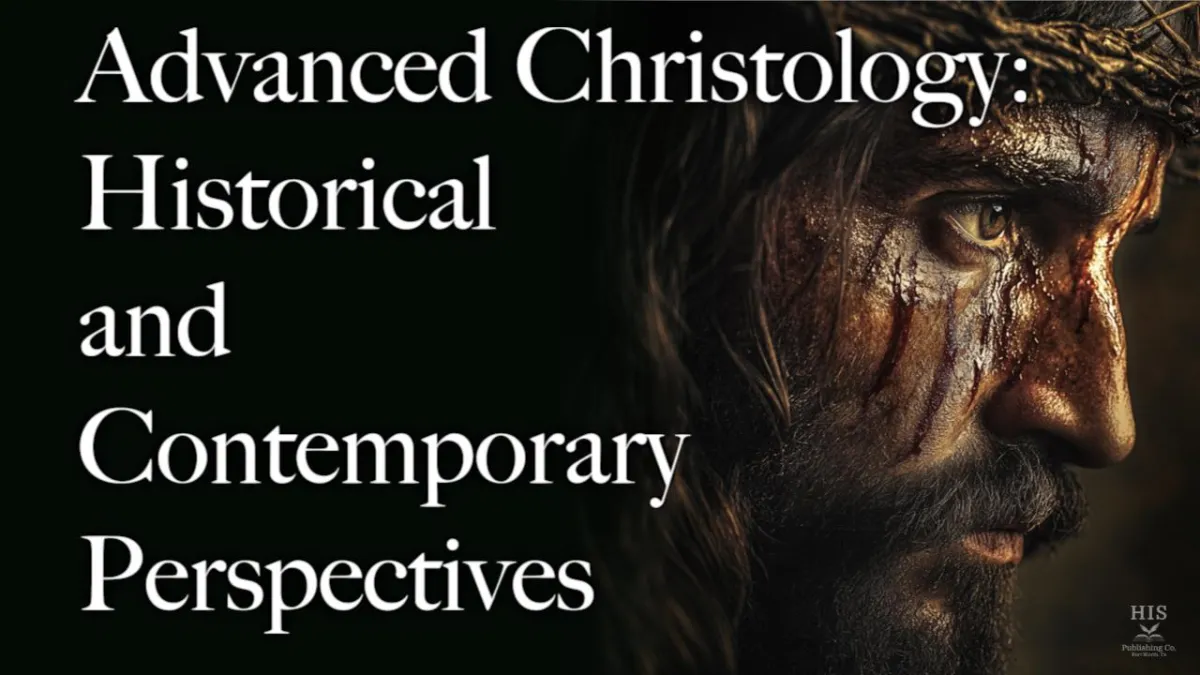
Advanced Christology: Historical and Contemporary Perspectives
This course, Advanced Christology: Historical and Contemporary Perspectives, explores the person and work of Jesus Christ, examining His significance historically and in contemporary theology. Using the textbook Jesus Christ, The Greatest Life by Johnston Cheney, students will study a unique synthesis of the four Gospels for a holistic understanding of Christ's life, ministry, and teachings. Topics include the historical reliability of the Gospels, key Christological debates in church history, and the relevance of Christ's identity in modern Christian practice. Designed for those seeking a deeper theological foundation, this course blends scholarly insights with practical application, equipping students to confidently articulate and live out their Christological beliefs in personal and ministry settings.
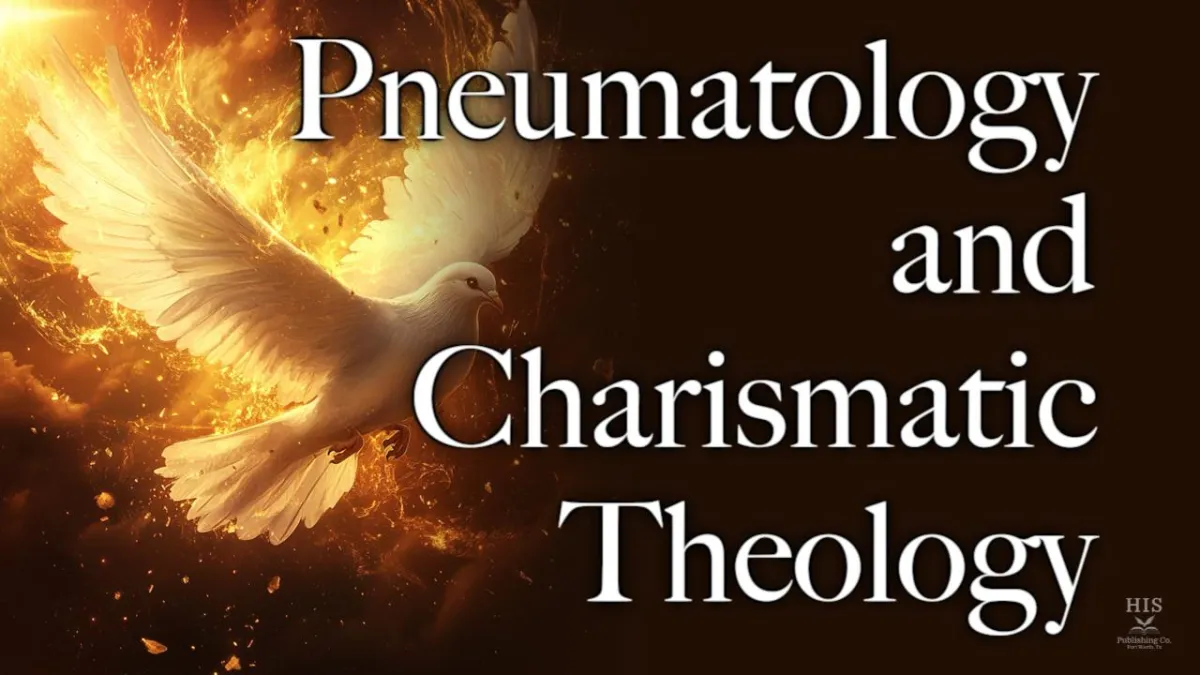
Pneumatology and Charismatic Theology
This course covers the doctrine of the Holy Spirit, or Pneumatology, and its role in Charismatic Theology and modern Christian practice. Students will explore key topics such as the person and work of the Holy Spirit, spiritual gifts, the fivefold ministry, and charismatic worship and ministry. The course focuses on how the Holy Spirit empowers individuals and church communities for effective service in God’s kingdom. The primary textbook, Catch the Wind of the Spirit by Carolyn Tennant, offers practical insights into applying these principles, equipping students to lead Spirit-filled ministry with confidence and sound theology. This course is ideal for those looking to understand and apply the work of the Holy Spirit in personal and corporate settings.
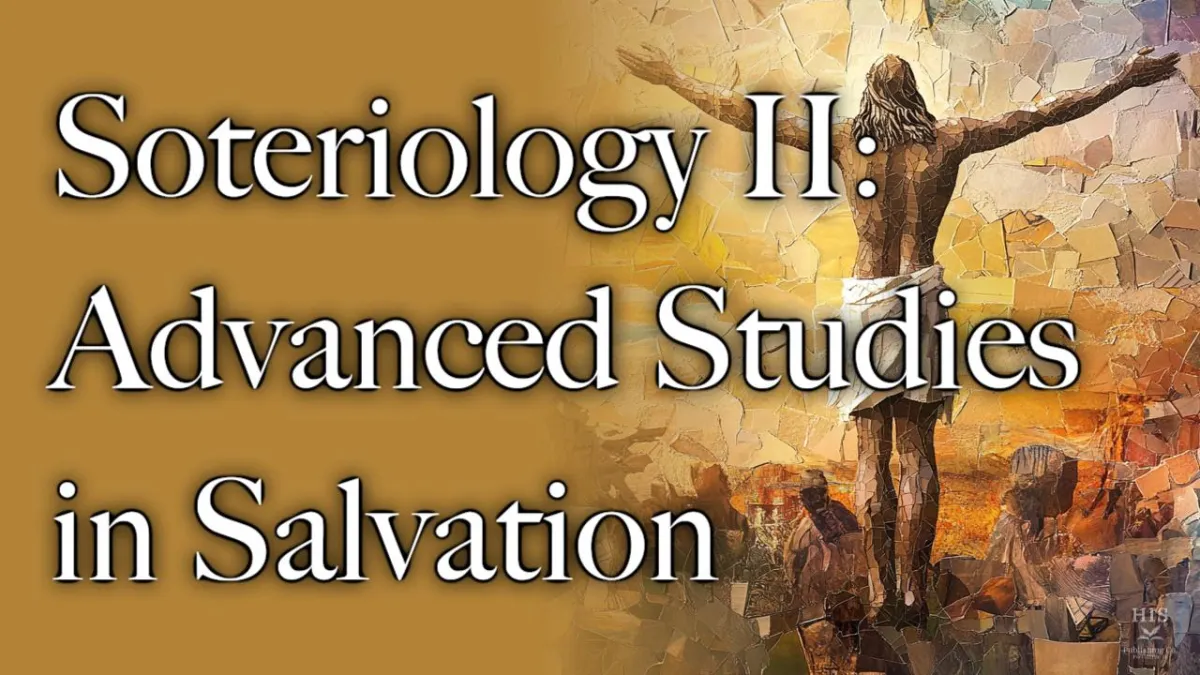
Soteriology: Advanced Studies in Salvation
This course, Soteriology: Advanced Studies in Salvation, offers an in-depth look at the doctrine of salvation, focusing on its biblical foundation, theological details, and practical implications. Students will explore key topics like grace, faith, atonement, predestination, and free will as they relate to traditional soteriology. Using Leighton Flowers' textbook, The Potter's Promise: A Biblical Defense of Traditional Soteriology, the course encourages critical analysis of salvation from biblical and historical perspectives. Designed for advanced theological study, it equips students to confidently engage in complex discussions about salvation in ministry and academic settings.
Ecclesiology: The Church in the 21st Century
This course, Ecclesiology: The Church in the 21st Century, explores the nature, purpose, and function of the Church through Scripture and modern application. Using the textbook Jesus is Broken Church: Reimagining Our Sunday Traditions from a New Testament Perspective by Peter DeHaan, students will examine traditional practices and evaluate them through New Testament teachings. The course encourages students to rethink the Church's role in today's changing world. Designed for online study, it provides a theological framework for meaningful discussions and practical innovation in local congregations and ministries.
Eschatology II: Prophetic Literature and End-Time Theologies
This course offers a detailed study of prophetic literature and end-time theologies, giving students a solid understanding of eschatological themes in the Bible. Using The Oxford Handbook of Eschatology by Jerry L. Walls, students will examine key biblical texts, theological interpretations, and historical developments on topics like resurrection, judgment, and new creation. The course encourages critical engagement with these issues, deepening appreciation for the hope and mystery in Christian teachings on the end times. Designed for online study, it provides valuable insights for students looking to expand their theological knowledge and apply it in modern ministry.
Strategic Pastoral Leadership and Church Governance II
This course builds on the basics of pastoral leadership and church governance to equip students with advanced strategies for effective ministry oversight. Combining theory and practical application, participants will explore leadership principles, organizational frameworks, and governance structures essential for church operations. Using the textbook Church, Governance and Operations: A Comprehensive Guide to Ministry Structure and Policies by Yemi Adebanjo, topics include policy development, conflict resolution, financial stewardship, and staff management. Designed for online learning, this course helps ministry leaders navigate modern church challenges while fostering growth, accountability, and sustainability.
Advanced Homiletics III: The Art of Persuasive Preaching
This advanced course equips students with the skills to deliver persuasive, engaging sermons. Using Ben Katt’s The Power of Persuasive Preaching, students will learn effective communication, audience analysis, and rhetorical strategies within a biblical framework. The course focuses on practical application through sermon preparation, critique, and refinement, helping ministry leaders confidently deliver messages that inspire and drive spiritual growth.
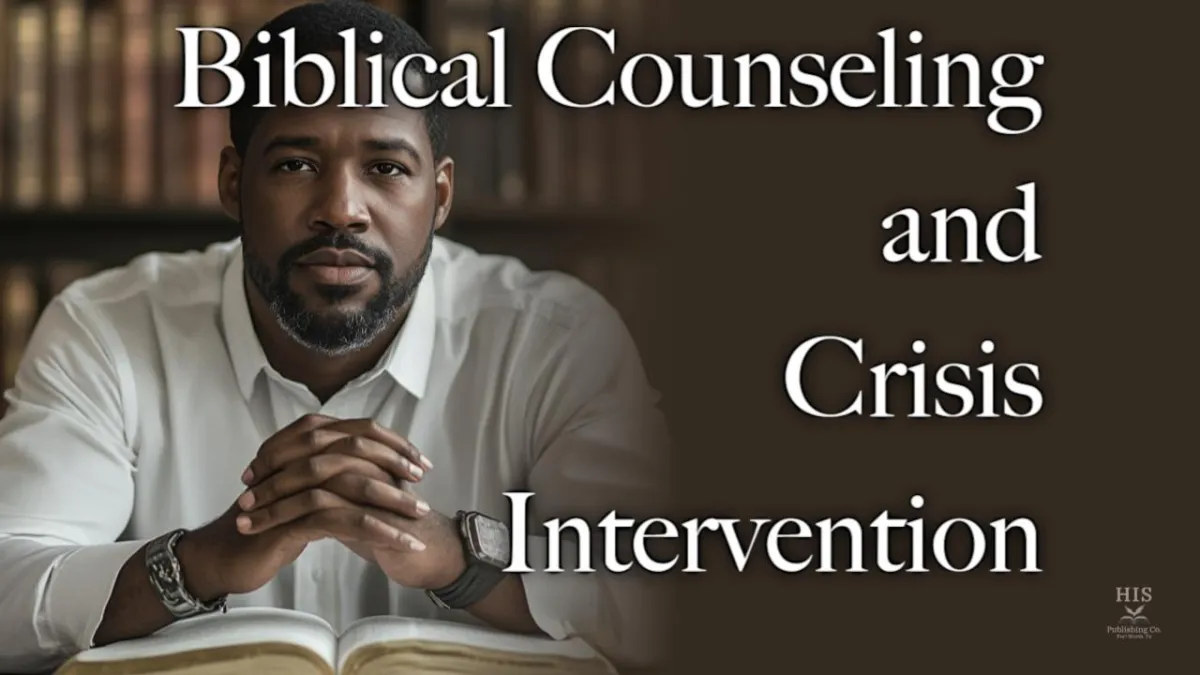
Biblical Counseling and Crisis Intervention
This course introduces the principles and practices of biblical counseling, focusing on addressing crises from a scripturally grounded perspective. Using the textbook Christian Counseling Third Edition: Revised and Updated by Gary R. Collins, students will learn to provide compassionate, biblically sound guidance for personal, relational, or spiritual challenges. The course combines biblical truth with practical counseling methods, preparing ministry leaders to handle crises like grief, addiction, and trauma. Through case studies, peer discussions, and exercises, students will develop the skills to offer Christ-centered hope and healing.
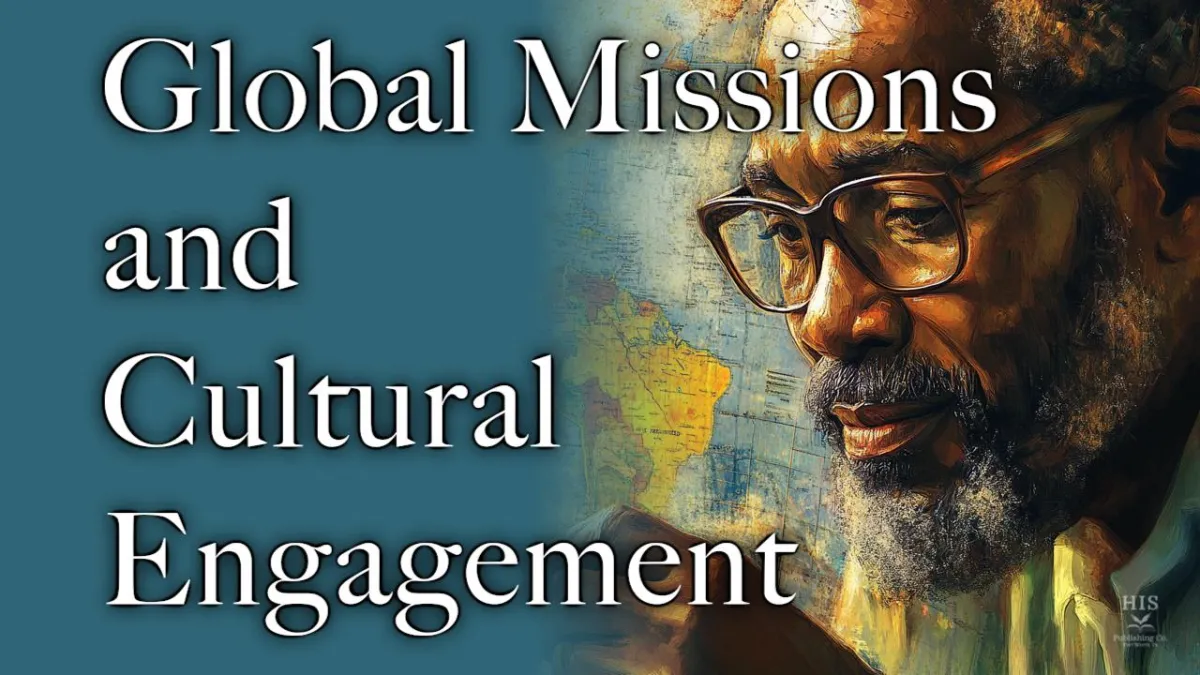
Global Missions and Cultural Engagement
This course examines the role of cross-cultural ministry in advancing the Gospel and equipping believers to serve as global kingdom workers. Students will explore cultural dynamics, contextualization, and strategies for building relationships with diverse communities. Through biblical study, discussions, and case studies, the course highlights humility, adaptability, and a servant’s heart in missionary work. The required textbook, The Mind of a Missionary by David Joannes, offers insights into the challenges and opportunities of global missions. By the end, students will be ready to engage thoughtfully and compassionately in cross-cultural mission fields, reflecting Christ-like love and hope.
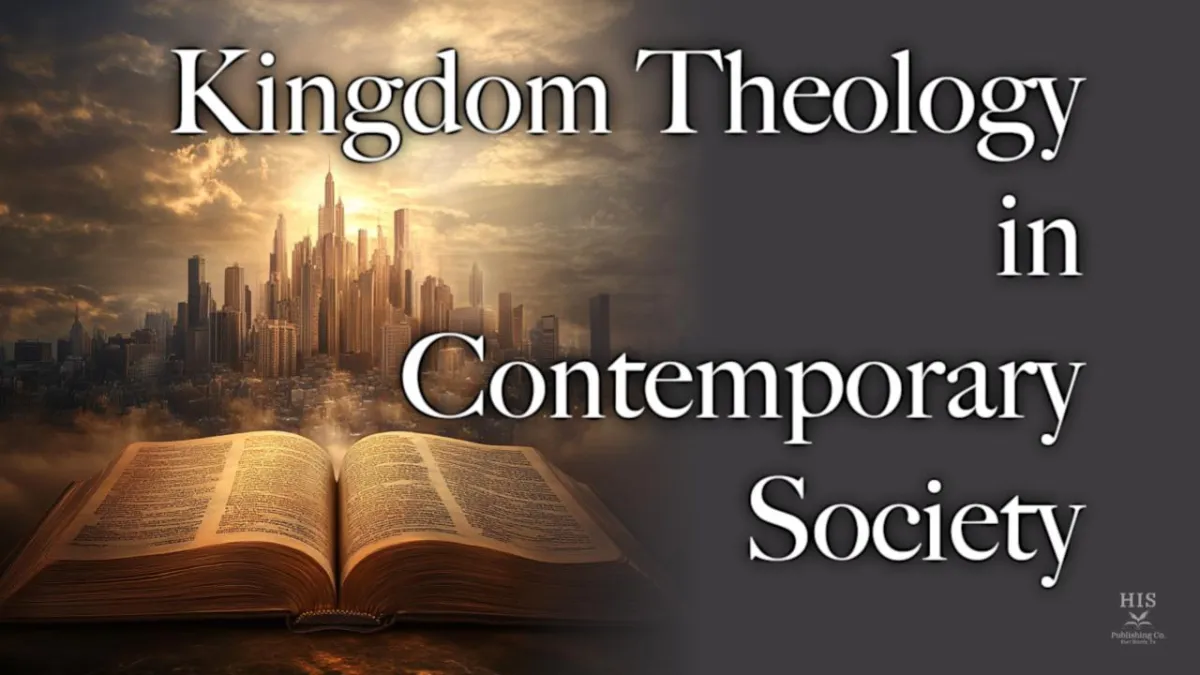
Kingdom Theology in Contemporary Society
This course explores the principles of Kingdom theology and their relevance in modern society. Through biblical texts and theological insights, students will examine how God's Kingdom operates in contemporary cultures. Topics include Christ's reign, the Church's role in advancing the Kingdom, and the importance of spiritual authority in daily life. The required textbook, Kingdom Truth: Volume 13 by Robert B. Thompson, provides a foundation for understanding key concepts. By the end of the course, students will gain a deeper understanding of Kingdom theology and learn to apply its principles in everyday life.
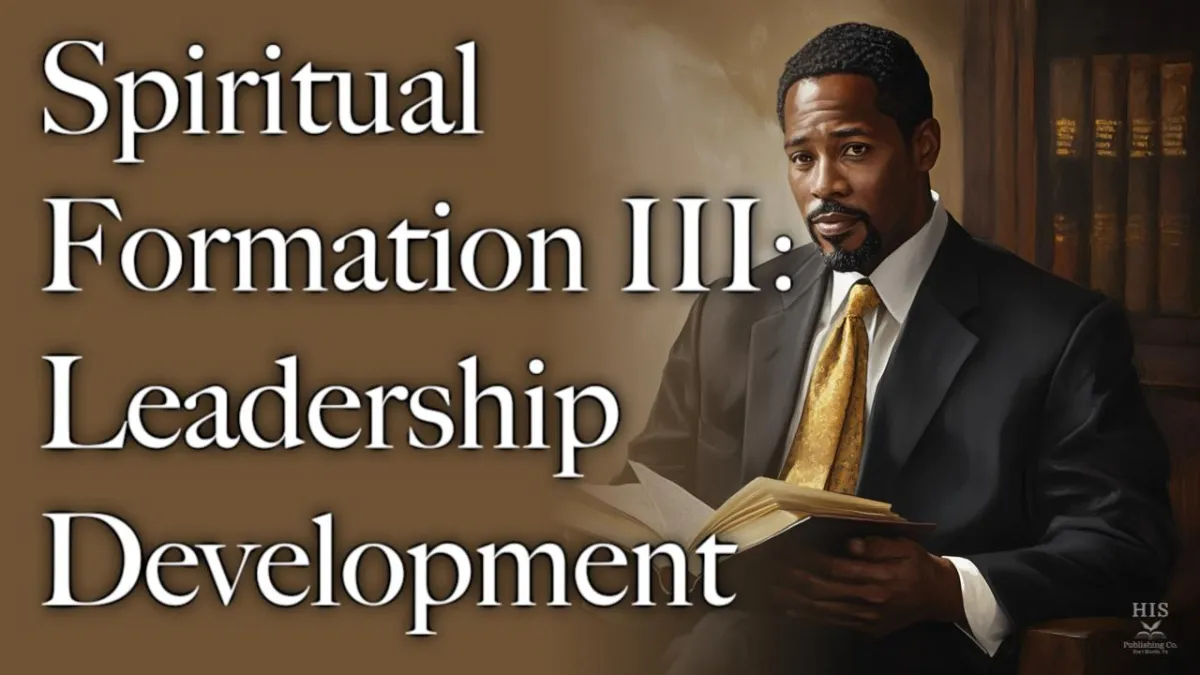
Spiritual Formation III: Leadership Development
This course equips students with the skills and spiritual insight needed for effective Christian leadership. Through biblical principles and self-reflection, students will explore the qualities of godly leaders, servant leadership, and the role of integrity in influencing others. Topics include developing a Christ-centered character, fostering spiritual growth, and navigating leadership challenges with wisdom and humility. The required textbook, The Pursuit of Holiness by Jerry Bridges, highlights how personal holiness is key to impactful leadership. By the end, students will be ready to lead with conviction and spiritual maturity in ministry or vocational roles.
Doctoral Research Methodology
This course equips students with advanced research skills for doctoral-level studies in theology, ministry, or related fields. Students will learn research design, data collection, and analysis, covering both qualitative and quantitative methods. The course focuses on critical thinking, academic rigor, and ethical research. The required textbook, Doctorate Research Guidance: Commerce and Management by Dr. G. S. Bhalla, offers key insights for developing a strong dissertation. By the end, students will be able to design and conduct meaningful research projects in their field.
Doctoral Dissertation
The Doctorate Dissertation course at Kingdom Life Academy is the pinnacle of your academic journey, guiding you to research, develop, and defend an original contribution grounded in biblical truth and advanced ministry practice. Students demonstrate scholarly excellence, critical analysis, and transformative insight, preparing them to lead, influence, and shape theological thought.


A Body Fitly Joined Together
One of the greatest blessings of joining us and deepening your relationship with God is this: as you invest in your Christian education, we are committed to helping you succeed, not just academically, but spiritually as well. Ephesians 6:8 (KJV), it says In Knowing that whatsoever good thing any man doeth, the same shall he receive of the Lord, whether he be bond or free. Paraphrased that says, "Whatever good you do for others, God will do for you."
When you choose to enroll in the Kingdom Life Academy program, your decision will have a far-reaching impact. For every enrollment, we will gift the same high-quality course to an individual in another country. By empowering a young believer across the globe to grow in their faith and fulfill God’s calling, you will also activate the promise of Ephesians 6:8 in your own life. This divine principle will work in your favor, helping you achieve your educational and spiritual goals as you help others do the same.

Comprehensive Religious Degree Programs
His publishing company offers the curriculum for degree programs in Theology, Christian Education, and Religious Studies with a focus on practical Biblical applications.
Testimonials
Dr. Staggars


Kingdom Life Academy really brings theology to life. The educational programs are thorough and the spiritual development activities truly enrich the campus experience.
Jonathan Davis
Explored quite a few places but Kingdom Life Academy really stands out with its sincere community service projects and the depth of its spiritual development programs.
Dena Schafer
The career guidance at Kingdom Life Academy really sets you on a clear path. Quite seamless and efficient for planning futures aligned with Christian values.
FAQs
Common Queries Answered for Prospective and Current Students
What accreditations does Kingdom Life Academy hold?
Kingdom Life Academy is accredited by both the Association of Theological Schools and the Regional Accreditation Commission.
What types of degrees can I pursue at Kingdom Life Academy?
The Academy offers Bachelors, Masters, and Doctoral degrees in Theology, Christian Education, and Biblical Counseling.
How does Kingdom Life Academy integrate faith into its curricula
Faith integration is central to all our programs with theological discussions and spiritual reflections guided by Christian values.
Are there opportunities for online learning at Kingdom Life Academy?
Yes, the Academy offers a variety of online courses and several degree programs that can be completed entirely online.